A team of experts wrote and checked the facts in this article, which is based on scientific evidence. Our experts work hard to be fair, objective, and honest, and they present both sides of the issue.
Although anxiety problems are prevalent in our fast-paced environment, they may go undiagnosed at times. It’s typical psychological for you to feel anxious about chores or events that are coming up. However, it’s crucial to get expert assistance if problems start to consume you or linger for a long time.
Although anxiety problems are prevalent in our fast-paced environment, they may go undiagnosed at times. It’s typical psychologically for you to feel anxious about chores or events that are coming up. However, it’s crucial to get expert assistance if problems start to consume you or linger for a long time.
You may learn more about the warning indicators that are often connected to anxiety disorders in this post. We will also dispel a few misconceptions and get further into the consequences of untreated anxiety. Let’s first go over the many forms of anxiety, its first symptoms, and risk factors.
Get expert anxiety care from Mentalr Root with a personalized treatment plan tailored to your needs.
A class of mental health disorders known as anxiety problems (1) is defined by persistently high levels of dread, concern, or uneasiness. These conditions have a deeper impact on a person’s thoughts, feelings, and actions than regular concerns. The Diagnostic and Statistical Manual (DSM) (2)of mental health disorders states that there are several forms of anxiety, each with its own distinct symptoms and causes.
Anxiety condition that is widespread (GAD). Individuals who suffer from generalized anxiety disorder often worry excessively and irrationally about a range of personal and professional issues, as well as their families, careers, and money.
Panic attack. Individuals suffering from panic disorder often and suddenly have panic episodes. Severe anxiety symptoms, such as a feeling of impending doom, are often followed by physical manifestations of panic attacks, such as perspiration, shaking, racing pulse, and shortness of breath.
Disorders related to social anxiety. Another name for social phobia is intense anxiety of social situations and interactions. As a result of social anxiety, people often avoid social gatherings and activities.
certain phobias. These are severe fears of certain objects, situations, or actions, such as flying, spiders, heights, or public speaking. Interactions with the triggering items or circumstances reveal anxiety symptoms.
OCD, or obsessive-compulsive disorder. Recurrent, troublesome thoughts (called obsessions) and the need to perform certain routines or activities (called compulsions) to relieve anxiety are among the symptoms of OCD.
PTSD stands for post-traumatic stress disorder. PTSD may arise from going through or seeing a stressful experience, and it can cause persistent symptoms, including anxiety, nightmares, and flashbacks.
Illness-related anxiety disorder. An illness anxiety disorder is excessive fear that you have or may acquire a serious concealed medical problem (previously termed hypochondriasis).
Anxiety related to separation. When someone has separation anxiety, they worry a lot about being apart from their loved ones or other significant people. The level of terror and other psychological symptoms is out of proportion to the circumstances, often leading to significant distress and impairment in daily functioning for the individual experiencing separation anxiety.
Addiction-related anxiety disorders. It is characterized by panic, worry, or uneasiness brought on by drug use or withdrawal. Drug-induced anxiety disorder is not recognized if the drug worsens your symptoms or if you were anxious before consuming it.
Selective mutism. With selective mutism, an anxiety illness, a person is unable to speak in specific social situations, as with classmates or faraway relatives. If treatment is not received, this illness, which usually starts in infancy, may persist into adulthood.
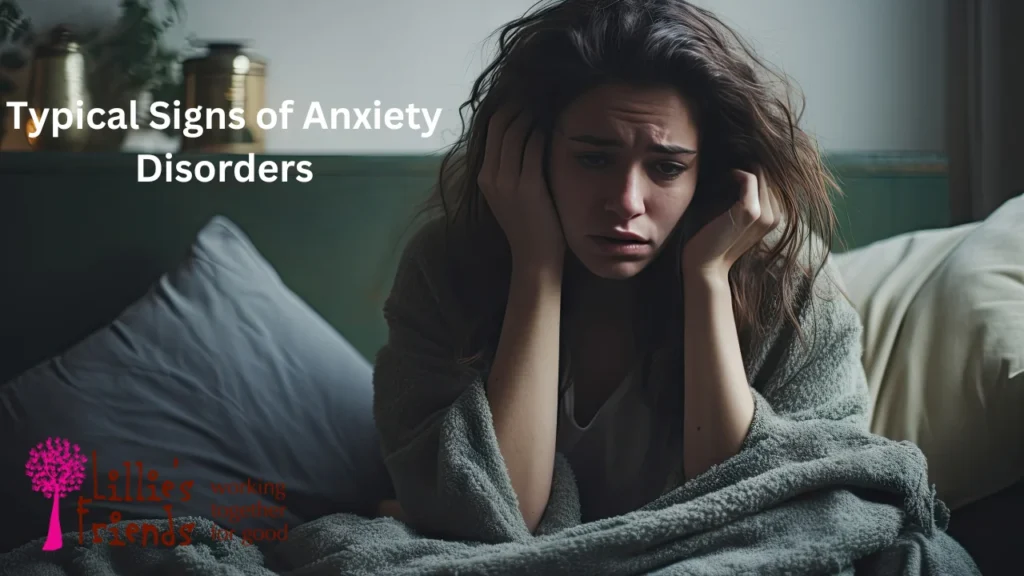
Typical Signs of Anxiety Disorders
There are many different ways that anxiety may manifest itself, and its symptoms can range from mental to physical. Nonetheless, a number of prevalent anxiety symptoms might indicate a higher likelihood of a condition. Among them are
feeling tight, uneasy, or restless. A person may always feel tense, nervous, or vigilant.
This condition is characterized by a feeling of imminent peril, terror, or catastrophe. It is a severe panic attack that has no apparent cause. Someone has the impression that something dreadful is about to occur.
elevated heart rate. An elevated heart rate may sometimes be accompanied by palpitations.
fast breathing (hyperventilation). There seems to be inadequate ventilation since breathing is shallow and rapid.
perspiration, excessive perspiration, particularly under pressure.
Trembling. Trembling or shaking of the hands, legs, or other body parts brought on by anxiety.
feeling worn out or feeble. Physical and mental exhaustion and weakness may result from anxiety.
difficulty focusing. It’s possible that a person can’t contemplate anything except their current concern. It is accompanied by trouble focusing on tasks or other ideas because of obsession brought on by worry.
difficulty falling asleep. Anxiety may interfere with sleep patterns, making it challenging to fall asleep or remain asleep.
suffering from digestive issues. Anxiety has the potential to affect the digestive system and result in issues such as nausea, diarrhea, or stomach discomfort.
inability to restrain concern. People may experience difficulties in reining in and regulating their anxious thoughts, which can be challenging to manage.
This includes the desire to avoid situations that trigger anxiety. a strong desire to avoid circumstances, objects, or locations that make one feel anxious or panicked.
Explore the possible causes of your anxiety symptoms and discover effective treatment options at Mental Root.
The causes and risk factors of various anxiety disorders vary and are often associated with certain personal experiences. Several of these are often linked to anxiety, such as
Tension. One of the primary causes of anxiety is stress. Stresses from the workplace, the classroom, marriage, finances, or significant life changes may trigger it. Anxiety symptoms may arise from the overactive fight-or-flight response, which is a consequence of ongoing stress.
Genetics.Research (3) indicates that anxiety problems may run in families. You could be more likely to acquire an anxiety disorder if there is a family history of it.
imbalances in brain chemistry. Numerous neurotransmitters, (4) including norepinephrine, dopamine, and serotonin, have been linked to mood. Changes or abnormalities in these neurotransmitters may lead to increased anxiety.
traumatic incidents. Past stressful situations, such as abuse—physical or mental—accidents, or natural disasters, may make anxiety disorders worse. Trauma may permanently alter the brain’s fear response, causing certain situations or triggers to induce anxiety.
health issues. Some medical conditions might make anxiety worse. Heart illness, thyroid disorders, respiratory issues, and chronic discomfort are a few examples.
variables related to the nervous system. Brain abnormalities or modifications to the way the brain is built and functioning may have an impact on certain anxiety disorders.
characteristics of the personality. A person may be more prone to anxiety issues if they possess certain personality traits, such as perfectionism and excessive self-criticism.
social elements. Social factors such as growing up in a stressful environment, experiencing prejudice, or not having enough social support may lead to anxiety disorders.
substance misuse. Any substance abuse, whether it’s alcohol, drugs, or even coffee, may worsen or even induce anxiety symptoms.
Numerous factors may combine in a complex way to induce anxiety, and different individuals may experience this disease for different reasons. A mental health professional may assist in identifying the root issues and developing an all-encompassing treatment plan.
Conditions That Accompany Anxiety
Anxiety often co-occurs with several conditions, which exacerbates the problems related to the illness. Among them are:
Depression. Depression and anxiety disorders often coexist. One may have overlapping symptoms of depression, anxiety, and hopelessness.
OCD, or obsessive-compulsive disorder. OCD and anxiety often coexist because obsessive thoughts lead to heightened fear and concern.
disorders related to substance usage. Individuals who experience anxiety may turn to drugs or alcohol in an attempt to manage their feelings, which may lead to substance use disorders that exacerbate anxiety symptoms.
eating problems. Because they utilize disordered eating as a coping method, people with eating disorders such as anorexia nervosa, bulimia nervosa, or binge-eating disorder may also experience anxiety.
sleep-related issues. Anxiety may cause sleep cycles to be disturbed, which can worsen anxiety feelings and lead to insomnia or other sleep problems.
ADHD stands for attention deficit and hyperactivity disorder. The impulsivity and focus problems linked to ADHD may cause uneasiness, concern, and anxiety.
A complete awareness of the disorders that co-occur with anxiety is necessary for an accurate diagnosis and effective therapy. Addressing these related issues may contribute to the development of a comprehensive plan for managing anxiety and improving overall health.
The Impact of Anxiety Symptoms on Day-to-Day Living
Clinical anxiety can severely hinder everyday functioning, significantly affecting various aspects of life. A few common adverse effects are as follows:
suffering on an emotional level. It may be challenging to feel happy or content while dealing with anxiety since it can cause persistent feelings of worry, anxiety, and trepidation.
strained connections. Anxiety may cause relationships with friends, family, and colleagues to suffer because of communication problems, increased irritability, and a propensity to avoid social settings.
Social seclusion. Anxiety may heighten feelings of loneliness and isolation by making people withdraw from social interactions and be less likely to participate in social events.
less productivity at work. Anxiety may cause problems with concentration, attention, and judgment, which can lead to decreased productivity and performance at work or in the classroom.
physical health problems. Chronic anxiety may have negative impacts on one’s physical health and well-being, such as headaches, tense muscles, digestive issues, and weariness.
problems with sleep. Anxiety may exacerbate symptoms of anxiety by causing trouble falling asleep, frequent awakenings, or restless nights.
avoidance actions. Anxious people often avoid situations or activities that make them feel uneasy, which restricts their access to novel experiences and opportunities for personal growth.
Stress related to money. Anxiety may influence one’s financial decisions, leading to wasteful spending, hoarding, or shirking financial responsibilities.
addiction to substances. To deal with their anxiety, some individuals turn to drugs or alcohol, which may result in substance addiction issues.
decreased self-worth. Persistent fear and insecurity may obliterate the sense of worth by weakening confidence and self-worth.
Dispelling 5 Myths About Symptoms of Anxiety Disorder
Myth 1: Worrying about anxiety is common. Although worry is a normal human emotion, anxiety disorders include more than just day-to-day worries. Uncontrollably worrying excessively might interfere with day-to-day activities and need expert assistance.
Myth 2: There is no real harm caused by anxiety. Mental health problems called anxiety disorders may have a major impact on day-to-day functioning. Ignoring or dismissing worry may lead to further issues, such as increased stress, difficulty in relationships, and a decline in overall mental health.
Myth 3: Anxiety may just “snap out” of you. Anxiety is not something that is easily controlled or chosen. You need expert help, support, and compassion to handle it properly.
Myth 4: Stress is the only source of anxiety. Stress has been linked to anxiety disorders, but a number of other factors, including heredity, brain chemistry, and life events, may exacerbate the symptoms, indicating that anxiety can arise from a complex interplay of various influences rather than stress alone.
Myth 5: Anxiety affects just adults. Anxiety may affect people of any age, including young toddlers and teens. Early detection and management of anxiety may increase the likelihood of an effective course of therapy.
When Should I Consult a Healthcare Professional?
Consult a healthcare professional if your anxiety symptoms have a substantial impact on your well-being and day-to-day activities. Here are some indicators that it may be time to get help from a mental health professional:
excessive anxiety and trouble managing it.
the severity of the symptoms.
behavioral changes like heightened irritation and restlessness.
avoiding certain circumstances, locations, or activities because they are too sensationalistic, which can further exacerbate feelings of anxiety and lead to increased isolation.
sleep-related issues. Anxiety may cause sleep cycles to be disturbed, which can worsen anxiety feelings and lead to insomnia or other sleep problems.
having bodily signs of nervousness.
effect on interpersonal connections.
Finally
Experts in mental health can assist you in distinguishing between symptoms that are typical responses to everyday stressors and those that point to an anxiety problem. You may get a customized, all-encompassing therapy plan and investigate possible sources of anxiety.
Frequently Asked Questions
How do I know if I have anxiety?
Anger, restlessness, difficulty focusing, excessive worrying, and bodily symptoms like perspiration or a quicker pulse are all typical signs of anxiety disorders. However, a valid diagnosis can only be made by a trained medical practitioner. Seeking professional advice is advisable if you suspect you could be suffering from an anxiety problem.
How do people with anxiety act?
Anxious people may avoid certain situations, have panic attacks, feel overburdened, or have trouble falling asleep. Anxiety affects various individuals differently, and different people may not behave in the same ways
How do I stop my anxiety?
Self-help tactics include breathing exercises, consistent exercise, and leading a healthy lifestyle. Occasionally, medication, psychotherapy, or counseling is required when these suggestions are insufficient. Finding what works best for you and your healthcare practitioner may need some trial and error.
What are the extreme symptoms of anxiety?
Anxiety symptoms may range from severe panic attacks to uncontrolled dread or terror, breathing difficulties, chest discomfort, a sense of being detached from reality, and avoiding everyday tasks out of excessive concern.
What does an anxiety attack look like?
Extreme dread or discomfort, a racing pulse, shortness of breath, trembling, perspiration, confusion, and a feeling of losing control are the hallmarks of a panic attack or anxiety attack. Even while it might be quite overpowering, it usually passes quickly. If panic attacks are a regular occurrence for you, it is imperative that you see a healthcare practitioner.





 10 min read