
Evidence Based


Updated on: 01.08.2025
 8 min read
 Highlights
Breathlessness and anxiety are two disorders that frequently coexist.
Determining whether worry causes shortness of breath or the other way around may be difficult.
Anxiety or a potentially fatal medical condition may cause sudden, severe dyspnea.
The final determination of whether shortness of breath is due to anxiety should be made by a medical practitioner.
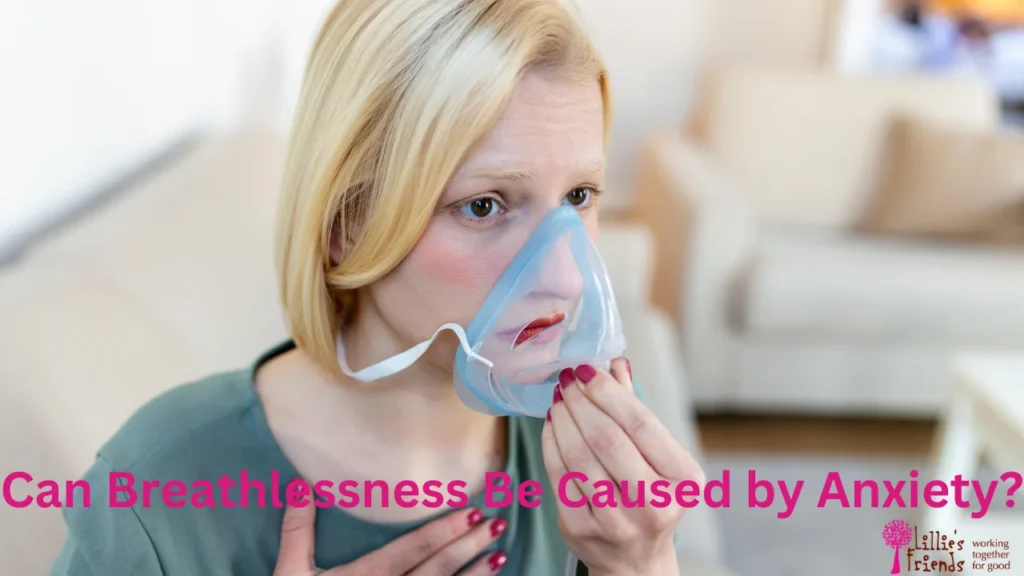
Although anxiety symptoms vary from person to person, many people with this medical disorder experience shortness of breath. Patients often attribute breathing problems to physical causes rather than mental issues like anxiety.
So, does anxiety cause shortness of breath? Is it dangerous? And what can be done to manage it? In this post, let’s understand how you tell if shortness of breath is from anxiety and what techniques you can use to relieve such feelings.
Note: Regardless of the cause, if your shortness of breath gets worse or becomes severe, seek emergent medical care.
Consult an anxiety specialist online to assess your symptoms and get the care you need.
Book ConsultationFirst of all, you may still be wondering if anxiety is the cause of dyspnea. Yes, without a doubt, you are not alone in experiencing this typical sign of stress.
Two of the most frequent queries I received as a doctor treating nervous patients were the following:
The explanation is simple: fear. Allow me to explain. Fear is the feeling of being threatened, whether real or imagined. Perceiving a garden hose as a snake is an example of a perceived danger.
Extreme stress or anxiety can escalate your baseline anxiety and trigger panic attacks, leading to shortness of breath.
The next step is to comprehend how severe worry and terror contribute to dyspnea.
You’ve probably heard of the fight-or-flight reaction, which is your brain’s rudimentary survival strategy that activates when you perceive danger.
Your body receives instructions from your brain to defend itself or flee. It accomplishes this task by moving blood enriched with oxygen from your brain and stomach to your muscles; fast breathing indicates a demand for extra oxygen.
The following physical signs of anxiety and panic are the result of these changes:
The most common signs of severe anxiety and panic attacks are breathlessness and a racing heart, but not everyone has them.
Get a personalized anxiety treatment plan from the comfort of your home.
Consult a therapist onlineRegretfully, no two nervous patients have the same shortness of breath; they may explain their breathing pattern as follows:
This implies that you will need to identify alternative methods to determine stress as a trigger for shortness of breath and that you cannot rely just on how it feels to determine whether worry was the reason.
Lung disorders, particularly asthma and chronic obstructive pulmonary disease, are the most prevalent physical health diseases that might produce this sensation. This sensation is succeeded by:
However, it becomes more complex. It makes sense that breathing difficulties of any kind can produce anxiety; if you are unable to breathe due to heart or lung issues, you will begin to feel anxious. Thus, a vicious cycle of anxiety and breathing problems starts.
Finding out whether there was an emotional trigger for the dyspnea, such as excessive worry, extreme stress, or uneasiness, just before it began is crucial.
Acute fear typically triggers breathing problems associated with anxiety and panic disorders within minutes. However, worry might occasionally cause you to feel as though you aren’t breathing enough; you may need to yawn or sigh, but the sensation is usually mild and doesn’t require you to see a doctor.
Therefore, it is more likely to be a physical condition if you experience severe breathing difficulties for a prolonged period of time without any emotional causes. Additionally, if you have a fever, swollen legs, coughing, or trouble breathing through your nose, there’s a good chance that your dyspnea has a physical cause.
Engaging the parasympathetic nervous system can potentially eliminate anxiety-related dyspnea. If you feel better after using these tactics, your shortness of breath was probably brought on by anxiety.
Deep breathing techniques are the simplest method for achieving this, and they offer numerous advantages:
The muscle that divides the chest from the abdominal cavity is called the diaphragm. In order to practice diaphragmatic breathing , one must inhale deeply through the nose, make sure the diaphragm flattens, raise and expand the belly, pause, and then purposefully exhale through the mouth by squeezing the belly in and out. Additionally, you can feel your rib cage rise and fall when you rest your hands on it.
There are a number of variations:
This technique is simple to remember and is also referred to as “equal breathing” or “box.” Initiate a four-second inhalation, pause for four seconds, exhale for four seconds, pause for four seconds, and repeat this cycle four times.
Reduce the four-second box breathing version to 3-3-3 if you’re having trouble with it. This means that you should breathe in for three seconds, pause for three seconds, and then exhale for three seconds.
Although this version is believed to be helpful and is based on an old yoga practice, it may be difficult for those who are unfamiliar with breathing techniques. Four seconds of inhalation, seven seconds of pause, and eight seconds of gradual exhalation are the instructions.
Exercise satisfies the body’s desire for movement, which helps to decrease the flight reaction. However, there isn’t much data to support its use as an anxiety treatment. It is still widely advised due to its additional health advantages.
This five-minute body scan sample is simple to incorporate into daily life. Start with your toes and deliberately relax them when you wake up or right before bed. Next, do the same as you move up your body, one portion at a time. I challenge you to give it a try, even though it sounds ridiculous.
Being mindful involves paying attention to your emotions and physical experiences without passing judgment, realizing that you may be able to alter these feelings by breathing or relaxing, and understanding that psychological and physical symptoms are transient. It works well for managing anxiety .
By adjusting your perception of the threat, cognitive behavioral therapy (CBT) helps you change how you respond to fear. This could involve learning about your anxiety , exposing yourself to the perceived threat gradually, and receiving guidance on breathing, mindfulness, and relaxation techniques.
Numerous possibilities for pharmaceutical treatment may alleviate dyspnea brought on by worry.
However, this is not the article’s main focus, and a mental health professional will decide which course of treatment is best for you.
Consult a medical professional online to find the best anxiety treatment for your needs.
Book an appointmentGiven that they present similarly, how can you distinguish between a panic attack and a heart attack? Our situation presents a classic dilemma. Acute dyspnea with potentially fatal causes is, after all, a medical emergency .
By performing the diaphragmatic breathing intervention screening right away, you may be able to determine whether or not anxiety is the cause of your dyspnea. Then when should you go to the doctor?
In any of the following situations, you should visit the ER right away:
In the end, the best method to rule out physical diseases and validate your suspicion of an anxiety cause (if any) is to speak with a healthcare practitioner. In order to accomplish this, they will review your medical history and may perform blood tests and a physical examination.