

Evidence Based


Updated on: 01.08.2025
 6 min read
Disorders like nervousness and ADHD (attention deficit hyperactivity disorder) are not the same thing. But occasionally they happen at the same time, and a study has found a strong link between them. The Anxiety and Depression Association of America (ADAA) says that in the US, about half of the people with ADHD also have an anxious condition. There is also a link that goes both ways. People with ADHD often have anxiety problems, and there is a good chance that ADHD itself causes worry in those who have it.
A lot of the time, ADHD starts in youth. People with ADHD may squirm, have short attention spans, act impulsively, be energetic, and be restless, among other symptoms. ADHD can last into adulthood, and people with it also have to deal with other problems every day, like not paying attention when they study, missing work tasks and thinking about it, and feeling stressed and anxious all the time.
Researchers have not figured out the exact reasons why ADHD and anxiety illnesses often occur together. Some of the things that can cause ADHD, like being born too early, genetics, and chemicals in the surroundings, might also play a part in that. This post discusses the relationship between these conditions, their common and unique signs, and their treatment options.
If these symptoms are affecting your daily life, consider consulting a qualified medical professional for proper evaluation and support.
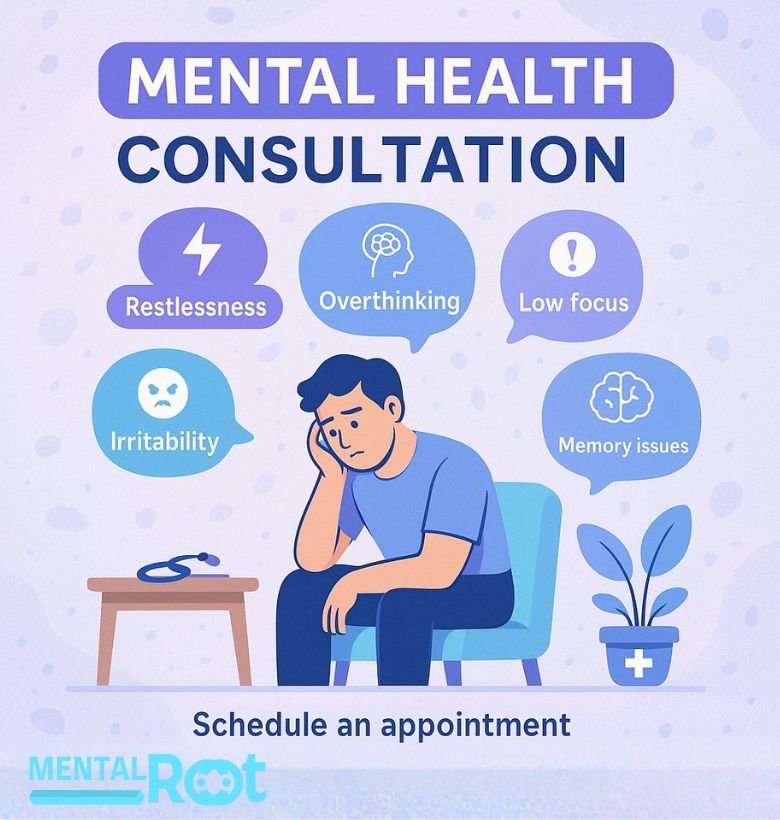
Book an appointmentADHD and anxiety can be hard to distinguish because they share some signs. Some of the symptoms that people with either condition may share include having trouble relaxing, focusing, and paying attention, even though the root reasons for these symptoms may be different.
It is very important to learn about both diseases and obtain a correct evaluation. It is also essential to learn how they are linked.
ADHD changes the way the brain works, so an adult with ADHD may worsen an anxiety problem. People with ADHD and worry often have trouble making enough serotonin and dopamine in their brains on a regular basis. Their amounts of serotonin and dopamine are often too low or too high, which can cause:
Some ADHD medicines, especially stimulant medicines like amphetamines (Adderall), may also cause anxiety or make anxiety symptoms worse. If a person’s nervousness doesn’t go away, their doctor may switch them to non-stimulant drugs like viloxazine (Qelbree).
People with ADHD may be wondering if their anxiety is getting worse now that research has established a link between ADHD and anxiety disorders in adults. In other words, it is possible.
For example, people may feel stressed, antsy, have memory problems, or have trouble focusing, all of which can make their anxiety worse. ADHD can make it hard for people to make tough choices, which can increase their anxiety. Furthermore, perfectionists with ADHD may become anxious if their ADHD keeps them from meeting their standards. Another thing that ADHD does is affect the part of the brain that controls emotions, which could make the person feel worried.
Managing ADHD in various ways, such as through thorough planning, setting chores, getting rid of distractions, and living a healthy life, is the best way to lessen these symptoms.
Get a personalized treatment plan at Mental Root based on a detailed evaluation of your symptoms and medical history.
Start TreatmentThere are some physical and mental signs that are similar between ADHD and worry. Some of these are:
Still, people who have ADHD or anxiety should know that these are two different illnesses with different symptoms, even though they share some signs. So, you need to keep an eye on your condition and get professional help for the right way to treat it, as proper diagnosis and tailored treatment plans can significantly improve your quality of life and manage symptoms effectively.
It’s hard to treat people who have both ADHD and anxiety because ADHD medicine can make anxiety symptoms worse. Often, doctors use new methods to treat multiple problems at the same time and create personalized treatment plans for each patient. Medication, changes to your lifestyle, therapy, and calm techniques are some of the ways that you can get help for managing ADHD and anxiety, but it is important to consult with a healthcare professional to determine the most effective approach for your specific situation.
But it might also be good to treat one problem before the other. Treatment should be done in the same order that the illnesses appear. For example, if the patient’s anxiety is caused by their ADHD, treating the ADHD first with cognitive behavioral therapy (CBT) and medicines might help. Then, the anxiety signs should be looked at again.
Get a personalized, effective treatment plan for ADHD or anxiety online and tailored to your needs.
Get professional support onlineEmotional control helps people with social anxiety and ADHD keep their emotions in check when things get tough. It helps these kinds of people stay calm and think clearly when things get stressful. You can get beneficial results from emotional control when you use it with other types of care. Some of its methods are:
Anxiety and ADHD are two diseases with different signs. But sometimes the signs can happen at the same time. People who have both nervousness and ADHD find it challenging to do daily tasks and keep long-term jobs. It can be hard for them to focus on daily tasks. To improve their quality of life, they should receive the right medicine.
The good news is that both situations are very easy to manage. People should talk to mental health workers to help them tell the difference between the conditions and come up with a comprehensive treatment plan.