A team of experts wrote and checked the facts in this article, which is based on scientific evidence. Our experts work hard to be fair, objective, and honest, and they present both sides of the issue.
A nervous breakdown, also called a mental breakdown, is a period of extreme stress that makes it impossible to do normal things.
Symptoms can be mental, physical, or behavioral, and they are often bad enough to make it hard to do things like work, care for yourself, or be with other people.
With therapy, coping skills, and changes to your lifestyle, you can get better.
What Is a Nervous Breakdown?
A nervous breakdown is not a real medical condition, but it does describe a state of extreme emotional and mental pain in which a person feels like they can’t handle daily life.
Stress that lasts for a long time can make you break down. Nerves and body are shattered. Multiple have:
Feeling emotionally drained
Giving up on things
having trouble focusing
A sense of not having any hope
A breakdown, on the other hand, can last for days, weeks, or even months, depending on what caused it and how much help is available.
Is stress taking a toll on your life?
See a medical professional who can provide a personalized
Mental Root professionals are here to help you regain control.
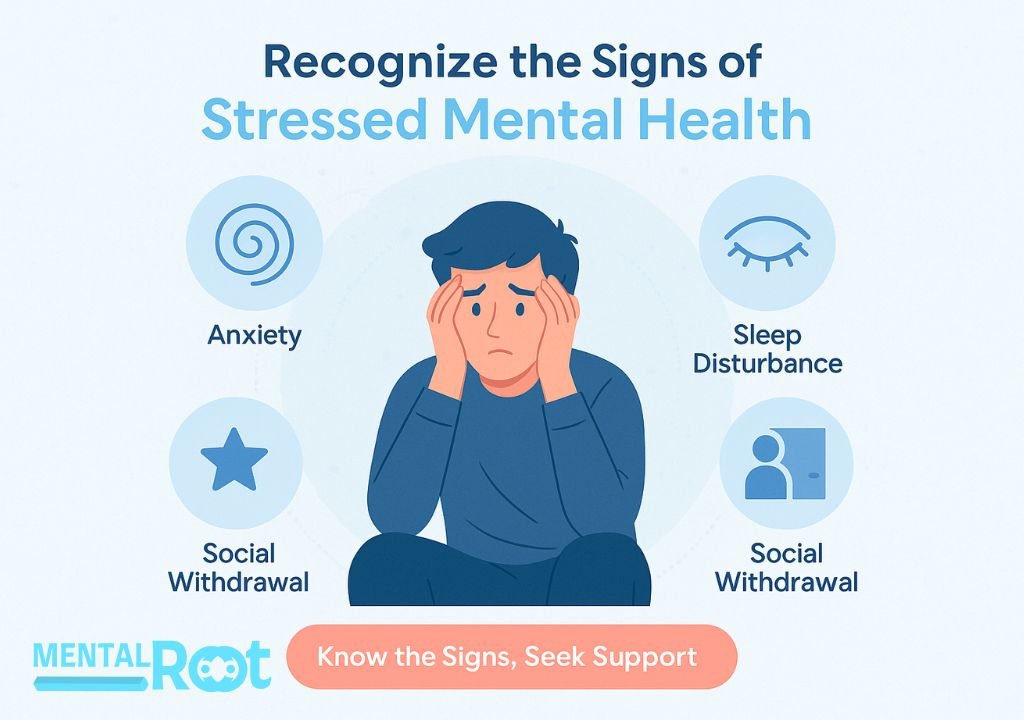
A mental breakdown changes many parts of a person’s life. Usually, the symptoms can be put into three groups:
Psychological Symptoms
A lot of stress or worry at one time
Attacks of panic
Changes in mood or anger
Low self-worth
Numbness of emotions
having trouble focusing
You may feel detached and show signs of disconnection from reality.
Thoughts of suicide
If you experience panical thoughts, immediately call 911 or a mental health helpline.
Behavioral Changes
Trying to avoid their duties
Withdrawing from society or being alone
Not doing well at work or in school
Putting off personal hygiene or self-care
Using alcohol or drugs more often
Behavior that is dangerous or bad for you
Physical Symptoms
A lot of tiredness
Sleep problems (insomnia or sleeping too much)
Changes in appetite
Having tense or shaking muscles
Having headaches or stomach problems
Low immunity leads to a lot of sickness.
What Causes a Nervous Breakdown?
A nervous breakdown is usually caused by long-term stress or events in life that are too much to handle.
Common Causes
Death of a loved one
Stress or debt over money
Problems in relationships Long-term stressor separation)
Loss of a job or stress at work
From abuse or trauma
Very bad illness
Big changes in your life, like moving or changing jobs
Mental health problems, such as those listed below, often cause breakdowns:
Problems with anxiety
Depression
PTSD
Disorders of panic
When Should You Seek Help?
You might want to get professional help if you see:
Having constant feelings of hopelessness
Not being able to do anything at work or at home
Not being interested in daily life
More people using drugs
Symptoms of illness with no clear cause
Having thoughts of hurting yourself
If you act quickly, you can stop your symptoms from getting worse and get better faster.
How Is a Nervous Breakdown Diagnosed?
There isn’t a formal diagnosis for your condition, but doctors evaluate it by:
Evaluations of psychology
Evaluations of mental health
Checklists of symptoms
Tests of cognitive abilities
Check-ups to rule out medical reasons
The goal is to find the underlying causes of stress and how it manifests.
Stages of a Nervous Breakdown
Having a mental breakdown usually happens slowly:
Trigger Event A stressful or traumatic situation occurs
Escalation anxiety and emotional pain get worse
Crisis Point: Feelings that are too much to handle; possible panic or despair
Physical Signs and Symptoms: Energy, sleep, and hunger all experience significant changes.
Reduced Functioning: It gets harder to do everyday things, such as maintaining personal hygiene, completing work tasks, or engaging in social activities.
Withdrawal: Being away from other people
Seeking Help: Being aware that you need help
Recovery: Treatment leads to slow but steady improvement.
Feature
Nervous Breakdown
Panic Attack
Duration
Days to months
20–30 minutes
Cause
Chronic stress
Sudden trigger or none
Impact
Long-term dysfunction
Short-term episode
Symptoms
Depression, fatigue, withdrawal
Intense fear, rapid heartbeat, sweating
A panic attack is short but intense, while a nervous breakdown is prolonged and deeply disruptive.
Treatment Options
Treatment depends on how serious the problem is and what’s causing it.
1. Therapy
CBT stands for cognitive behavioral therapy.
Focused therapy on trauma
Help with dealing with stress
2. Medication
Drugs for depression
Medications for anxiety
Sleep aids (if you need them)
3. Hospitalization
In severe cases where the person might hurt themselves or become unable to function, they may need to stay in the hospital for a short time.
If you’re experiencing symptoms of anxiety or stress, consider seeking professional advice for proper evaluation and support.
It is possible to get better after having a nervous breakdown.
With just the right amount of
Treatment by professionals
Changes in lifestyle
Help with emotions
Most people are able to function normally and feel like themselves again.
Final Thoughts
A nervous breakdown is a serious sign that your body and mind are too much to handle. Ignoring it can make symptoms worse, but taking action right away can help you get better.
If you feel like you’re losing it, keep these things in mind: It’s not weak to ask for help; it’s the first step to getting better.




 6 min read
 Highlights