

Evidence Based


Updated on: 11.08.2025
 9 min read
 Highlights
ADHD fatigue is real. 62% of adults with ADHD feel exhausted, and by age 18, kids with ADHD are twice as likely to be chronically tired to the point where they can’t do anything.
It can be mental, physical, or emotional fatigue in people with ADHD. It’s often caused by neurobiological factors, trouble sleeping, and the stress of managing symptoms, which can lead to significant challenges in daily functioning and overall quality of life for individuals with ADHD.
It is possible to manage ADHD. Introducing changes to your lifestyle, getting professional help, and using targeted strategies can help lower the tiredness that comes from ADHD and improve your life overall.
Know when to get help: If you’re feeling exhausted all the time, you should see a doctor, especially if it gets in the way of your daily life or happens along with other conditions.
It’s not just a normal part of having a busy life to feel exhausted all the time. If you have ADHD, feeling worn out can be a daily struggle that affects your mood, motivation, and ability to focus. Researchers have found that tiredness is one of the most common and underrated signs of ADHD. It affects both kids and adults at much higher rates than the general population.
It makes you exhausted, but why? What can you do about it? This guide discusses the science behind ADHD fatigue, its signs, how it’s different from other types of tiredness, and things you can do to get your energy back.
Consult a Medical Provider Online
Get an ADHD assessment within 24 hours and receive personalized treatment tailored to your needs.
Get Started
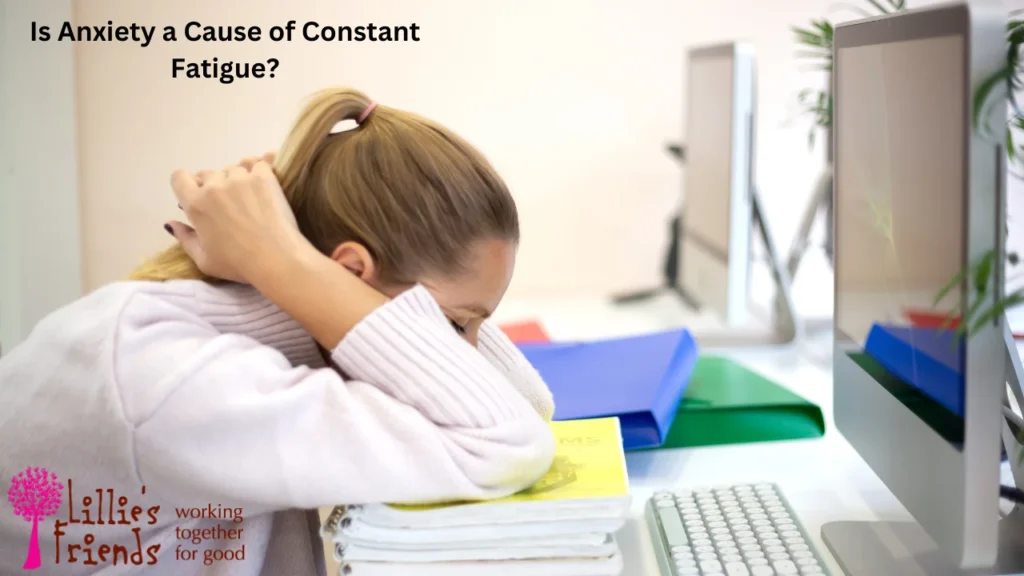
Fatigue is more than just wanting to sleep. It’s a long-lasting feeling of being exhausted that can affect your mind, body, or emotions. For people with ADHD, this tiredness can be too much and last for a long time, making daily life difficult.
| Type | Description |
|---|---|
| Mental Fatigue | Persistent cognitive tiredness, brain fog, trouble concentrating, and slow reaction times |
| Physical Fatigue | Bodily tiredness, sore muscles, and a general sense of exhaustion |
| Emotional Fatigue | Emotional exhaustion, irritability, mood swings, and feeling overwhelmed |
Get Assessed for ADHD and Insomnia From the Comfort of Home
Get Medical Help| Feature | ADHD-Related Fatigue | Chronic Fatigue Syndrome (CFS/ME) |
|---|---|---|
| Prevalence | 62% of adults with ADHD; 2x risk in children | 20–30% of CFS/ME patients have comorbid ADHD |
| Neurological Basis | Dopamine/norepinephrine dysregulation, tryptophan pathway | Immune, metabolic, and neuroendocrine factors |
| Sleep Disruption | Highly prevalent, bidirectional with ADHD | Unrefreshing sleep is a core symptom |
| Cognitive Symptoms | Inattention, brain fog, executive dysfunction | Memory, attention, and cognition dysfunction |
| Physical Symptoms | Sore muscles, slow reaction times | Chronic widespread pain, post-exertional malaise |
| Response to Stimulants | Often improves fatigue and cognition | Sometimes beneficial in CFS/ME with comorbid ADHD |
Key Insight: While both conditions share symptoms, ADHD fatigue is more closely tied to neurochemical and attentional mechanisms, whereas CFS/ME involves broader systemic dysfunction.
Get an accurate diagnosis and personalized treatment plan.
Book an appointmentIf your tiredness doesn’t go away or has a big effect on your daily life, you should see a doctor. This is especially true if you’re not sure if your tiredness is caused by ADHD, depression, or another health problem. Getting help early can help you find ways to make your life better.
Tiredness caused by ADHD is a real problem that most people with ADHD don’t understand. Knowing the neurological causes, spotting the signs, and using a whole-person approach to treatment can all make a big difference. You can get your energy back and do well if you have the right plans and help.
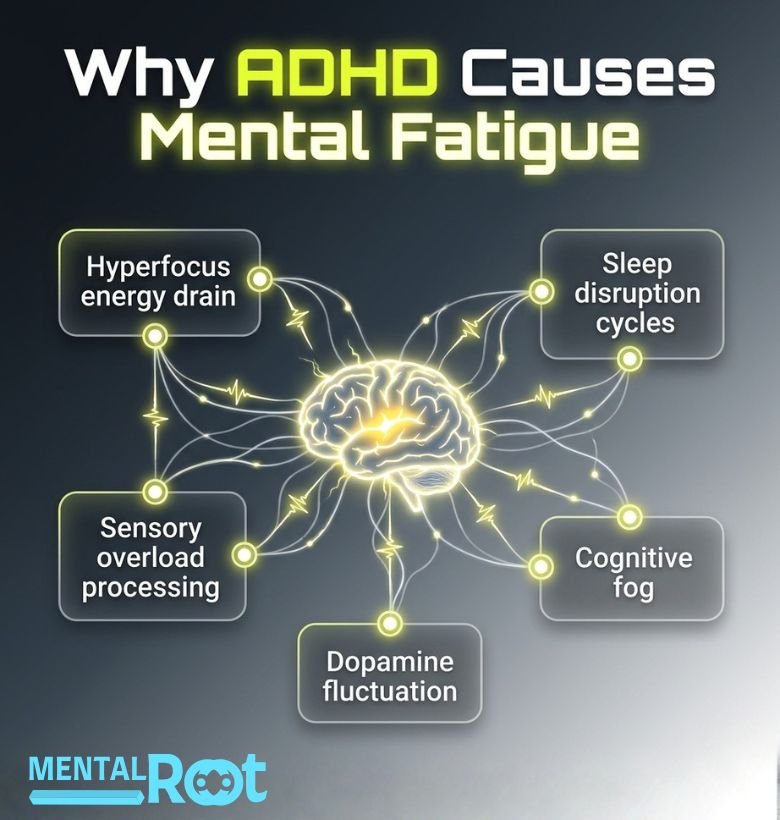
ADHD makes you tired because you have to work hard all the time to stay focused, organized, and keep distractions at bay. Neurobiological factors, including dysregulation of dopamine and norepinephrine, alongside sleep disturbances and emotional overload, contribute to chronic fatigue.
Some common signs are always feeling tired, sleepy, having trouble concentrating, having sore muscles, reacting slowly, being irritable, losing motivation, and feeling emotionally overwhelmed.
People with ADHD often feel tired, but their fatigue can change and is often linked to times when they are very focused or active. When they are doing something interesting, they may even feel more energetic. Fatigue related to depression is more widespread, long-lasting, and not alleviated by rest or stimulation.
A dopamine crash is when you suddenly lose motivation and energy after being very focused or stimulated for a long time. This crash can make people with ADHD tired, sad, and unable to focus on tasks because their brains don’t have enough dopamine.
Stimulant medications can help you feel less tired by helping you focus and controlling your energy, but they can also make you feel more tired by causing side effects like insomnia. Non-stimulant drugs might help with tiredness without making sleep problems worse.
When you have ADHD, you are mentally and physically exhausted all the time because you have to deal with the symptoms all the time. Extreme tiredness, irritability, lack of motivation, and emotional overwhelm are all signs of this condition, which can happen even when you get enough sleep.
People with inattentive ADHD get very tired mentally and physically because they have to put in a lot of mental effort to stay focused, remember things, and keep their lives in order. Fatigue gets worse when you have symptoms like forgetfulness, disorganization, and bad sleep habits.
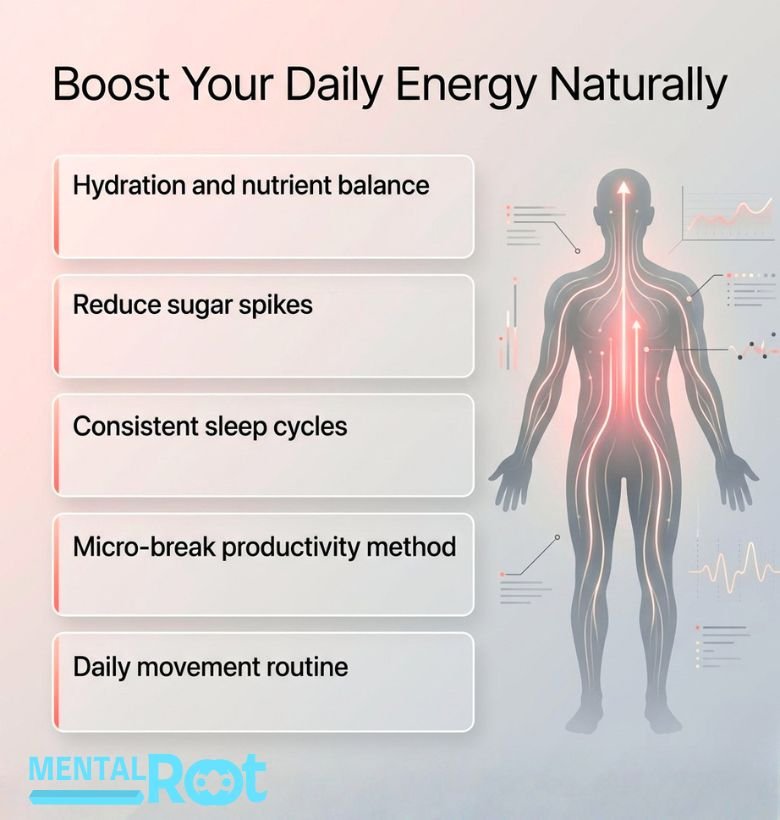
Maintaining good sleep hygiene, eating balanced meals, staying hydrated, exercising regularly, managing stress, taking breaks, limiting sugar and caffeine, and reducing blue light exposure before bed are all good ways to get better sleep.
ADHD fatigue is often caused by mental effort and changes with activity, while CFS is more stable and not always related to mental effort. CFS also includes sleep that doesn’t make you feel better and feeling bad after you work out.
If fatigue is persistent, unrelenting, or significantly affects daily functioning, or if there is ambiguity regarding whether symptoms are attributable to ADHD, depression, or another condition, a professional evaluation is advised.