

Evidence Based


Updated on: 06.08.2025
 8 min read
A wide variety of behaviors that make even basic tasks difficult or impossible to complete may be brought on by symptoms of ADHD/ADD. It is still critical to address the behaviors and routines associated with ADHD, even if medication is a common therapy and may lessen symptoms. It enhances the person’s general functioning and helps them prevent relapse.
Symptoms of ADHD/ADD can trigger a wide range of behaviors that hinder or render even basic tasks impossible to complete. It is still critical to address the behaviors and routines associated with ADHD, even if medication is a common therapy that may lessen symptoms. It enhances the person’s general functioning and helps them prevent relapse.
ADHD treatment targets problematic behaviors common to people with ADHD by arranging time at home, establishing stability and routines, and increasing positive attention.
Seeking professional help and having the optimal therapy or course of treatment decided for you is important. To find out more about the best treatments for adult ADHD, keep reading.
Get expert ADHD evaluation and guidance from licensed healthcare providers.
Book an appointmentAdult ADHD is best treated with a combination of skill improvement, medication, and therapy. Adults with ADHD who get both behavioral therapy and medication are more adept at controlling their symptoms than those who simply receive medication, according to research studies.
Organizational skills and self-worth also seem to improve, leading to better overall functioning in daily life and enhanced relationships with others. Therapy helps ADHD patients learn how to manage their symptoms, concentrate on their strengths, and handle stress more effectively. Whether you’re learning to curb cravings, embrace and value who you are, or manage activities, therapy may make a big difference in your quality of life. As a result, ADHD therapy helps patients learn new behaviors and how to practice them consistently over time until they come naturally and easily.
Adults with ADHD may receive treatment such as cognitive behavioral therapy (CBT), mindfulness-based therapy, and short motivational interviewing. The following therapeutic approaches are worth considering for adults diagnosed with ADHD.
1. Cognitive Behavioral Therapy (CBT)
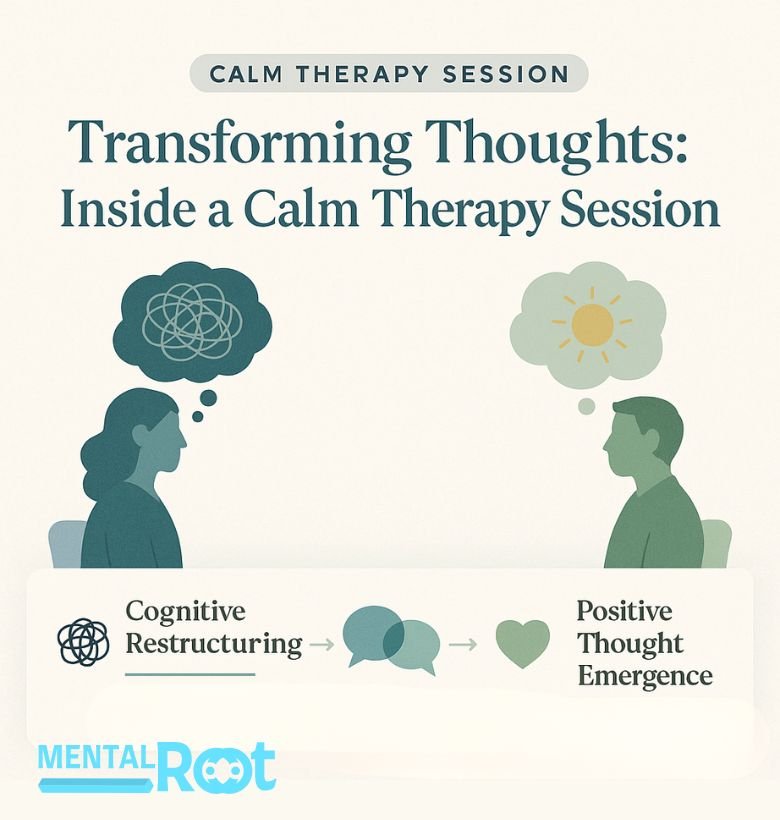
Individuals with ADHD encounter frustrating setbacks more often in social, professional, and daily contexts. They may have so many setbacks that they begin to question their talents. On rare occasions, it causes negative emotions, erroneous self-perceptions, and cognitive errors.
CBT therapies, whether combined with or apart from medication therapy, have been advantageous for people with ADHD. They may address problems with daily planning, organization, and time management with the use of CBT, which can help individuals develop practical strategies to improve their executive functioning skills. Stress management, impulse control, and emotional self-regulation are other areas of focus that can significantly improve the overall functioning and quality of life for individuals with ADHD.
2. Mindfulness-Based Cognitive Therapy (MBCT)
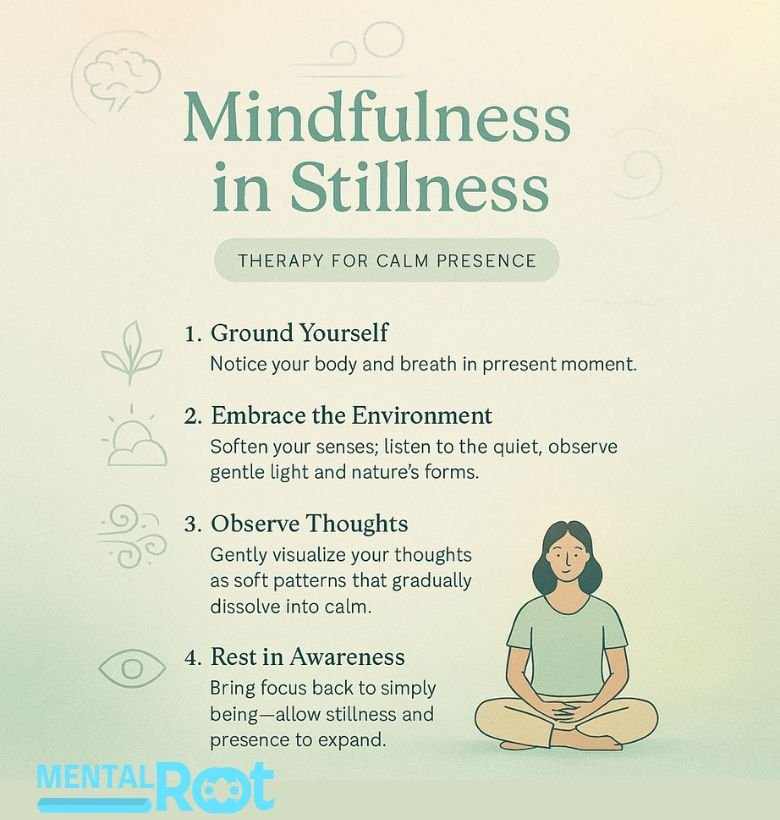
Mindfulness-based cognitive therapy combines mindfulness meditation with traditional CBT procedures (MBCT). Practicing mindfulness maintains one’s focus in the present, fostering an open and conscious mental state. Thoughts and sensations that arise during mindfulness exercises are recognized rather than criticized. Research indicates that mindfulness meditation helps improve several brain functions associated with attention deficit disorder (ADHD), including mood management and attention control.
3. Brief Motivational Interviewing
Motivational interviewing is a therapeutic approach that attempts to instill in clients the willpower to make positive behavioral changes. It is unique in that it empowers people to take responsibility for their healing. Motivational interviewing has been shown to be a successful intervention strategy for treating physical activity, diabetes, smoking, and sexual behavior, among other health conditions and habits.
Motivational interviewing may be used in conjunction with cognitive behavioral therapy (CBT) to treat comorbid problems associated with ADHD, such as depression, anxiety disorders, and social anxiety disorder. Motivational interviewing may help those who are hesitant to start treatment or not ready to make changes.
Make online connections with licensed therapists. Each patient’s demands are taken into account while designing our treatments, ensuring that their unique challenges and readiness for change are addressed effectively.
Connect with certified therapists online and receive personalized care tailored to your needs.
Talk to a specialist online4. ADHD Coaching
Coaching may assist individuals in organizing themselves and achieving their goals when used in combination with medication and other therapy for ADHD. A trained specialist who works with you to create techniques for handling the everyday responsibilities and goals that ADHD symptoms make more challenging is known as an ADHD coach. Coaching for ADHD helps people understand how it affects them and teaches them how to form positive behaviors. Thereafter, a coach may help you develop problem-solving skills and can act as a reliable accountability partner to support you while you introduce changes to your behavior.
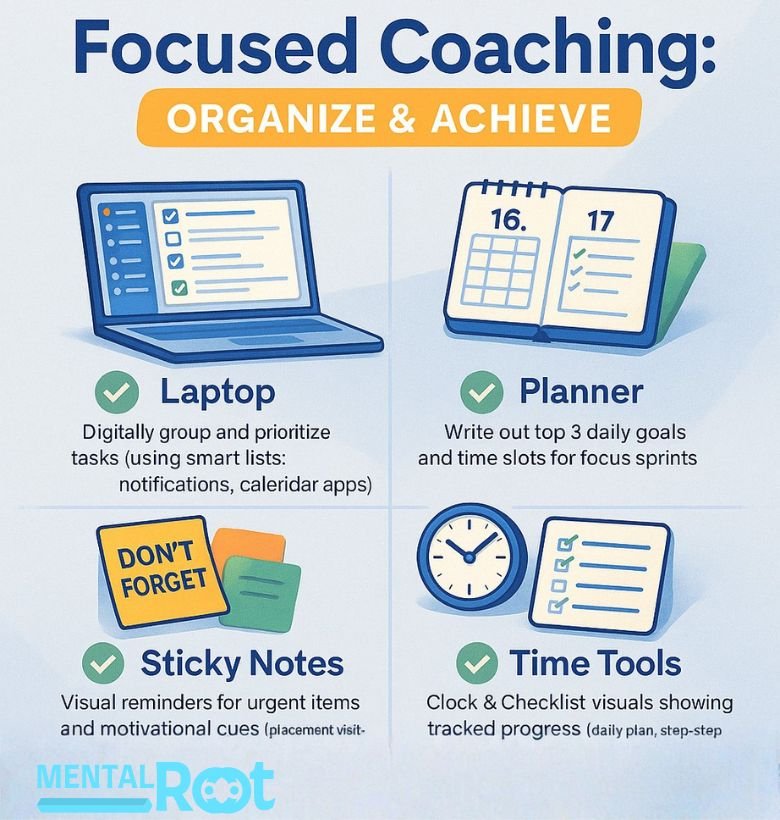
ADHD coaching teaches you how to:
5. Occupational Therapy
Those who need support with their employment or leisure activities might benefit from occupational therapy. Changing their surroundings or location of employment, as well as developing their skills, may help them engage more effectively in their daily tasks and improve their overall quality of life.
Occupational therapy’s objectives are to:
Start online therapy with licensed professionals who create personalized treatment plans just for you.
Talk to Doctor6. Dialectical Behavior Therapy (DBT)
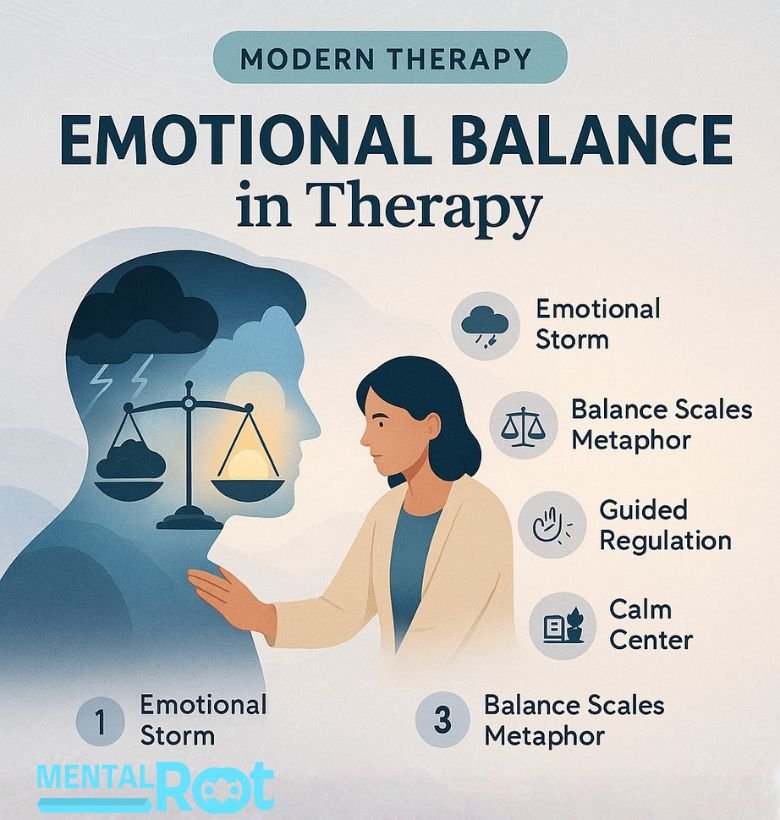
Another kind of behavior treatment for ADHD is called DBT. Even though it was first created for those who had borderline personality disorder (BPD), it is now a well-received intervention for enhancing emotional control abilities. One of the main signs of ADHD is emotional dysregulation.
Those with ADHD experience emotions more intensely than those without the condition, making it one of the most challenging symptoms to manage. DBT places a strong emphasis on the emotional and social challenges that ADHD causes. DBT is taught in weekly group sessions using a sequence of skill-based modules, each focused on a distinct skill. Individual therapists may provide additional support to enable you to tailor the way you use these skills in practical situations.
7. Neurofeedback
Patients with ADHD who receive neurofeedback report improvements in focus and a reduction in impulsivity. By instructing the brain to create brain-wave patterns associated with attention rather than those associated with daydreaming, neurofeedback helps reduce the symptoms and behaviors of ADHD. To find out whether neurofeedback is advantageous in treating ADHD problems, however, further study on the subject is required. This therapy for ADHD is controversial due to a lack of research, particularly regarding its long-term effectiveness and the mechanisms by which it may influence attention and behavior.
8. Art Therapy
When it comes to written or spoken language, people with ADHD find it more difficult to communicate their ideas than via creative expression and visual images. Art therapy can be highly advantageous for hyperactive individuals with ADHD, as it engages their hands and aids in maintaining strong emotional and mental concentration, which can be challenging to sustain during conversation therapy. Through art therapy, adults with ADHD may improve their communication, cognitive flexibility, and problem-solving skills as they explain their works to their ADHD therapist. It’s also feasible to have organic social connections via art, such as material exchanges, praises, and even ideas.
9. Music Therapy
Improving one requires improving the other, as the mind and body are inextricably intertwined. Music has a tremendous effect on our thoughts and emotions. The right music may change your emotions. For instance, listening to music to elevate your spirits or calm down can help you recover physically.
Music therapy is beneficial for ADHD individuals as well because of the unique rhythms and beats that it contains. To a brain trying to regain equilibrium, they are soothing. Furthermore, since music has a distinct beginning, middle, and conclusion, it is predictable. For someone who is disorganized or scatterbrained, such music may be very calming and can also serve as brain training.
When receiving behavioral therapy (with or without medication), people with ADHD are able to adopt new, healthier habits and more effectively control their symptoms . Research indicates that both adults and children with ADHD can benefit from treatment for the condition. These programs teach behavioral, social, and intellectual skills that may help an individual with ADHD manage their symptoms throughout their life, such as improving time management, enhancing social interactions, and developing coping strategies for stress.